Blog

September 2026 LIFTT Connection Now Available!

September 2026 LIFTT Connection Now Available!

About Living Independently for Today & Tomorrow (LIFTT): LIFTT is a Montana 501(c)3 corporation organized as a Center for Independent Living (CIL). With team members based in Billings and Glendive, LIFTT provides aging and disabled members of the community with programs, services, resources and advocacy that help empower them to break down the physical, bureaucratic, and cultural barriers that prevent them from being fully independent participants in their lives and communities throughout 18 counties in southeastern and south-central Montana: Big Horn, Carbon, Carter, Custer, Dawson, Fallon, Garfield, Golden Valley, McCone, Musselshell, Powder River, Prairie, Richland, Rosebud, Stillwater, Treasure, Wibaux, and Yellowstone. For more information, please visit liftt.org or download our mobile app for your Apple device.

Our Vision: Empowering aging individuals and people with disabilities to LIFTT themselves above the barriers of life.

Our Mission: Living Independently for Today and Tomorrow’s (LIFTT’s) mission as a 501(c)(3) nonprofit Center for Independent Living serving Southeastern Montana is to empower aging individuals and people with disabilities to live independently through education, support, and opportunities.

You can donate to LIFTT by clicking here.

Moments of Independence: Small Steps, Big Victories, Stronger Communities

Moments of Independence: Small Steps, Big Victories, Stronger Communities

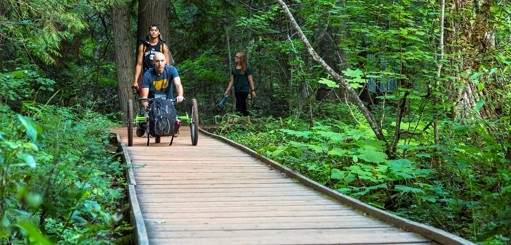
Hikers on the Hidden Lake Overlook Trail near Logan Pass in Glacier National Park, Montana

Every journey is different, but each step toward greater choice, confidence, and opportunity is a moment worth celebrating. Photo by NPS/Jacob W. Frank

Every journey toward independence is different. Sometimes it leads to a new career, a safer home, or greater financial security. At other times, progress begins with something quieter: understanding a complicated letter, completing an important application, discovering a helpful resource, or learning that support is available.

These moments may seem ordinary, but their meaning can be extraordinary. They replace confusion with understanding, uncertainty with direction, and barriers with new possibilities.

This month, we celebrate six individuals and families who reached out to LIFTT and took meaningful steps toward greater independence. Although their names and identifying details have been omitted, their accomplishments deserve to be recognized.

Building a Path Home

For one consumer preparing to receive a wheelchair ramp, independence began with a very practical need: being able to enter and leave home safely.

The consumer contacted LIFTT seeking assistance with the cost of constructing a wheelchair ramp. An Independent Living Specialist explained the Brondum Grant process, provided the necessary application materials, and carefully reviewed the steps involved, including obtaining estimates and submitting the completed application. LIFTT also offered to review the paperwork before it was submitted.

During a follow-up conversation, the consumer confirmed that the information had arrived and that work on the application was moving forward.

The ramp has not been built yet, and the grant has not been guaranteed yet, but an important beginning has taken place. A process that once may have seemed uncertain now has a direction. The consumer has the information needed to take the next step toward a home that is safer, more accessible, and easier to navigate.

Independence sometimes begins before a door is opened. It begins when someone discovers a possible way to reach it.

Turning a Frightening Letter into a Clear Plan

A notice from Social Security can be intimidating, especially when it appears to place a person’s essential income at risk.

One working consumer and the consumer’s spouse contacted LIFTT after receiving a notice indicating that benefits might be discontinued because allowable earnings had been exceeded. LIFTT staff encouraged the family to contact Social Security directly for clarification and explained where they could seek assistance if an appeal became necessary.

The follow-up brought welcome news: the benefits would not be discontinued at that time.

Just as importantly, the consumer and spouse came away with a clearer understanding of the earnings rules and the importance of monitoring wages. What began as a frightening and confusing letter became an opportunity to gain knowledge, protect vital benefits, and make more informed employment decisions.

Independence doesn’t mean facing every complicated system alone. Sometimes it means knowing whom to contact, which questions to ask, and how to move forward with confidence.

Finding the Right Doors to Knock On

When someone is worried about rent while also trying to understand Medicare, the number of questions can quickly become overwhelming. One consumer came to LIFTT carrying both concerns and looking for a place to begin.

An Independent Living Specialist identified a local program that might provide limited rental assistance and explained how to contact it. The consumer was also connected with an Area Agency on Aging specialist who could provide knowledgeable guidance concerning Medicare Parts A and B.

When LIFTT followed up several days later, the consumer reported that no additional assistance was needed at that time and expressed appreciation for the information and support.

LIFTT did not make decisions for the consumer. Instead, we helped identify credible resources and provided a clearer path through two complicated systems. That is the heart of Information and Referral: helping people replace a maze of unanswered questions with practical choices and meaningful points of connection.

A New Account and a Stronger Future

For one young adult and family, a visit to LIFTT opened the door to an important financial resource.

The young person originally came to LIFTT seeking assistance with Social Security documents and received peer support while learning how to participate in the application process. When the family later moved out of state, that particular goal came to an end. The knowledge and opportunities gained through the experience, however, continued to matter.

During their time with LIFTT, the young adult and family learned about ABLE accounts, specialized savings accounts that allow eligible people with disabilities to save for qualified expenses while protecting access to certain public benefits. With LIFTT’s assistance, the family successfully established an account.

That account represents more than a financial tool. It offers a way to prepare for future needs, expand choices, and build greater economic security.

Plans sometimes change, and one goal may give way to another. Independence grows when people leave an experience with more knowledge, stronger resources, and new possibilities for the future.

Completing the Paperwork That Protects a Home

For another consumer, maintaining housing assistance depended upon completing a recertification process and submitting the required financial documentation.

A family member contacted LIFTT for help, and staff met with the consumer to work through the renewal application. Together, they gathered the necessary documents, completed the paperwork, and, with the consumer’s permission, submitted the application and supporting bank statement to the appropriate agency.

What appeared to be a routine administrative task carried much greater significance. Recertification paperwork can affect housing stability, financial security, and peace of mind. Missing information or an incomplete submission can create consequences that extend far beyond the form itself.

With the application completed and submitted, the consumer could move forward knowing that an important responsibility had been addressed.

Sometimes independence is protected one document, one signature, and one completed application at a time.

Taking the First Step Toward a New Career

A consumer visited LIFTT’s Glendive office with a hopeful goal: obtaining certification to become a Certified Nursing Assistant.

Rather than allowing uncertainty about training costs or program requirements to stop that ambition, LIFTT staff helped identify possible pathways forward. The consumer received information about a workforce-development program that may assist with training and was also given hospital human-resources contact information to explore whether an employer might help cover certification expenses.

The outcome of these referrals is still unfolding, but the consumer is no longer standing at the starting line without direction. The first connections have been made, and a career goal that once may have seemed distant now has possible routes leading toward it.

Every professional journey begins somewhere. Sometimes it starts in a classroom. Sometimes it starts with an application. Sometimes it begins with a conversation in which someone listens to a dream and helps uncover the next practical step.

Independence Happens Every Day

These six stories are different, but each carries the same message: independence grows when people have understandable information, meaningful choices, respectful support, and the freedom to direct their own lives.

A grant application can lead toward an accessible entrance. A telephone call can protect essential benefits. A referral can connect someone with housing or healthcare assistance. A savings account can strengthen a young person’s future. A completed form can help preserve stability. A conversation about training can become the beginning of a new career.

At LIFTT, we are honored to be present for these moments. We celebrate not only the destination but also the courage required to begin, the knowledge gained along the way, and every step that moves a person closer to the life they choose.

Because independence is not one enormous victory. It is built through countless moments of possibility—and every one of those moments matters.

For information about LIFTT’s services, please contact:

Living Independently for Today & Tomorrow (LIFTT)

Billings Office
1241 Crawford Drive
Billings, MT 59102
Telephone: (406) 259-5181

Glendive Office
206 South Douglas Street
Glendive, MT 59330
Telephone: (406) 948-8500

Or find us online at liftt.org 


About Living Independently for Today & Tomorrow (LIFTT): LIFTT is a Montana 501(c)3 corporation organized as a Center for Independent Living (CIL). With team members based in Billings and Glendive, LIFTT provides people with disabilites and aging indivduals with programs, services, resources and advocacy that help empower them to break down the physical, bureaucratic, and cultural barriers that prevent them from being fully independent participants in their lives and communities throughout 18 counties in southeastern and south-central Montana: Big Horn, Carbon, Carter, Custer, Dawson, Fallon, Garfield, Golden Valley, McCone, Musselshell, Powder River, Prairie, Richland, Rosebud, Stillwater, Treasure, Wibaux, and Yellowstone. For more information, please visit liftt.org

Our Vision: Empowering aging individuals and people with disabilities to LIFTT themselves above the barriers of life.

Our Mission: Living Independently for Today and Tomorrow’s (LIFTT’s) mission as a 501(c)(3) nonprofit Center for Independent Living serving Southeastern Montana is to empower aging individuals and people with disabilities to live independently through education, support, and opportunities.

You can donate to LIFTT by clicking here.

Ten Voices, One Powerful Message: Independence is Personal

Ten Voices, One Powerful Message: Independence is Personal

Consumer Surveys Offer a Glimpse into the Work of Independent Living 

Sometimes progress arrives as a new skill. Sometimes it is found in a returned telephone call, an accessible explanation, help navigating benefits, or simply the relief of being heard and treated with respect.

In August 2026, ten consumers shared their experiences through LIFTT’s Consumer Satisfaction Survey. Their responses provide more than statistics. They offer a glimpse into the deeply personal work of Independent Living and remind us why every conversation, every connection, and every individual goal matters.

Nine of the ten respondents said they received the assistance they needed, and every respondent reported being treated with respect by LIFTT staff. Nine received information in an accessible format, while one indicated that the question did not apply. Eight consumers said they received services quickly, and the other two described the timing as acceptable. Seven reported learning new skills.

Consumers identified assistance with finances and public benefits, daily living, personal growth, advocacy, consumer rights, and communication as especially helpful. One consumer summarized the experience in four wonderfully simple words: “It was all good.”

Behind those words are real moments of connection: an Independent Living Specialist answering a question, helping someone understand Social Security or SNAP benefits, organizing bills and mail, strengthening communication with another agency, or supporting a consumer who is learning to advocate for themselves.

These actions may appear small from the outside. To the person receiving support, however, they can mean greater confidence, more choices, less isolation, and a stronger sense of control over daily life.

Respect Is Where Independence Begins

The most powerful finding was also the most fundamental: every person surveyed reported being treated with respect.

At LIFTT, respect is not an extra feature of good service. It is the starting point.

The Independent Living philosophy recognizes that disabled people are the experts in their own lives. LIFTT’s role is not to take control, prescribe someone else’s future, or decide what independence should look like. Our role is to listen, provide useful and accessible information, support informed choices, and work alongside each person as they pursue the goals that matter to them.

That is why accessible communication, timely responses, and respectful relationships are so important. Before a new skill can be learned or a barrier addressed, trust must have a place to grow.

Every Response Helps Us Grow

The surveys also remind us that progress is rarely identical for everyone. One consumer explained that the referrals provided did not improve their situation. Another noted that only two meetings had taken place and that declining health made it difficult to evaluate the services fully. These responses matter just as much as the positive ones.

Not every barrier can be removed quickly. Community resources may be limited, a referral may not produce the hoped-for result, or a person’s health and circumstances may change before a plan has time to develop. Independent Living work takes place within the complexity of real life, where progress is sometimes immediate and sometimes requires patience, persistence, and a different approach.

Listening honestly means celebrating what works while remaining attentive to what does not. Consumer feedback helps LIFTT recognize where additional follow-up may be needed, where community partnerships must become stronger, and where we can improve the experience of asking for assistance.

A survey is not simply a report card to display proudly and then place on a shelf. It is an invitation to listen, learn, respond, and grow.

Small Steps Can Open Big Doors

The Independent Living movement teaches us that success must be defined by the consumer. For one person, it may mean understanding a benefits letter. For another, it may mean learning to manage household responsibilities, communicate with a service provider, protect their rights, or make an important decision with greater confidence.

These steps build upon one another. Information becomes knowledge, knowledge creates choices, choices strengthen confidence, and confidence opens new possibilities for independence. This quiet but powerful progression is reflected throughout the surveys.

Independence does not always announce itself through a dramatic transformation. Sometimes it begins with a question answered clearly, a confusing process made understandable, or a person discovering that their voice carries authority. What appears to be one small achievement may become the foundation for the next courageous step.

Thank You for Trusting Us

To every consumer who completed a survey, we offer our heartfelt thanks.

Thank you for trusting LIFTT with your experiences. Thank you for recognizing the people who helped you. Most importantly, thank you for telling us where our work made a difference and where we still have work to do.

Your voice helps shape our services. Your goals give our mission meaning. Your experiences encourage us to keep learning, responding, and reaching higher.

Ten surveys cannot tell LIFTT’s entire story, but they communicate something deeply important: when people are welcomed with respect, provided with accessible information, and supported in pursuing their own goals, possibility begins to grow.

And possibility is where independence starts.

About Living Independently for Today & Tomorrow (LIFTT): LIFTT is a Montana 501(c)3 corporation organized as a Center for Independent Living (CIL). With team members based in Billings and Glendive, LIFTT provides people with disabilites and aging indivduals with programs, services, resources and advocacy that help empower them to break down the physical, bureaucratic, and cultural barriers that prevent them from being fully independent participants in their lives and communities throughout 18 counties in southeastern and south-central Montana: Big Horn, Carbon, Carter, Custer, Dawson, Fallon, Garfield, Golden Valley, McCone, Musselshell, Powder River, Prairie, Richland, Rosebud, Stillwater, Treasure, Wibaux, and Yellowstone. For more information, please visit liftt.org

Our Vision: Empowering aging individuals and people with disabilities to LIFTT themselves above the barriers of life.

Our Mission: Living Independently for Today and Tomorrow’s (LIFTT’s) mission as a 501(c)(3) nonprofit Center for Independent Living serving Southeastern Montana is to empower aging individuals and people with disabilities to live independently through education, support, and opportunities.

You can donate to LIFTT by clicking here.

Hidden Treasures & Grand Journeys Brings the Community Together

Hidden Treasures & Grand Journeys Brings the Community Together

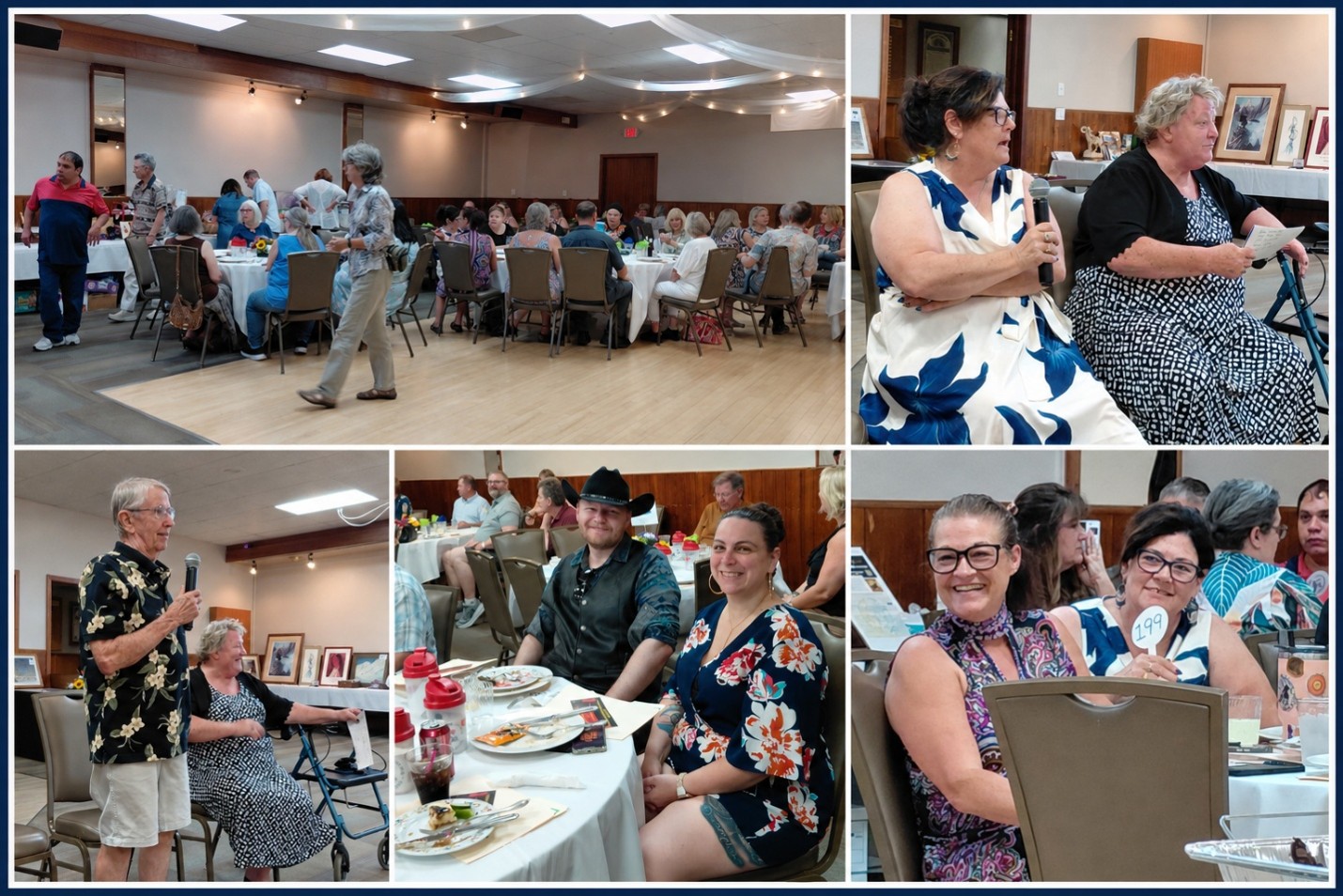
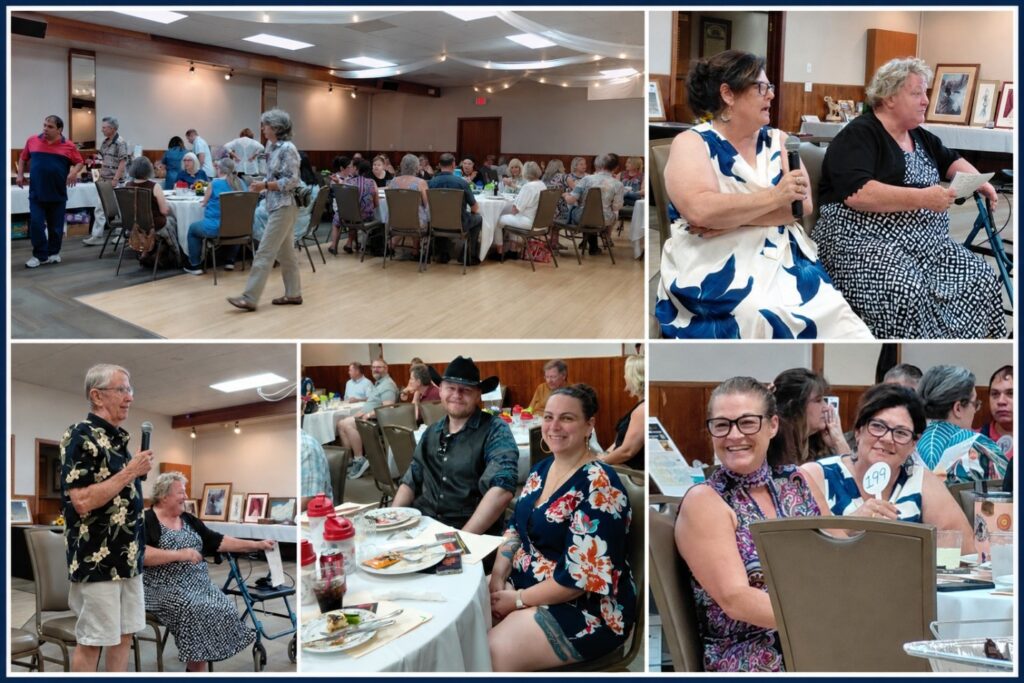
Photo Collage from LIFTT's Hidden Treasures & Grand Journeys event held on August 1, at the Columbia Club in Billings

Guests, supporters, and members of the LIFTT community enjoy dinner, auctions, conversation, and laughter during Hidden Treasures & Grand Journeys, held on August 1, 2026, at the Columbia Club in Billings.

On August 1, 2026, LIFTT welcomed community members, consumers, supporters, and friends to the Columbia Club in Billings for Hidden Treasures & Grand Journeys: An Evening of Opportunity for LIFTT.

The evening featured dinner, live and silent auctions, door prizes, conversation, laughter, and opportunities to learn more about LIFTT and its RideWell ADA Accessible Rural Transportation Program. Guests explored an assortment of donated artwork, merchandise, handcrafted items, and experiences while enjoying time together in a welcoming and accessible setting.

Although the event did not generate net financial proceeds for LIFTT, its success cannot be measured only in dollars. The strong community turnout, the enjoyment of those who attended, and the opportunity to introduce more people to LIFTT’s mission made the evening meaningful and worthwhile.

The event gave LIFTT an important platform to demonstrate that accessibility and inclusion strengthen the entire community. It also allowed us to share our commitment to helping aging and disabled Montanans live independently, participate fully in community life, and overcome barriers to transportation and opportunity.

The photographs from the evening tell the story: guests visiting with one another, enjoying dinner, participating enthusiastically in the auctions, and sharing plenty of smiles and laughter. These moments reflect the kind of community LIFTT works to build—one where everyone is welcomed, valued, and able to participate.

LIFTT extends its sincere appreciation to Tina Carter, RideWell Transportation Coordinator, who organized the event; all LIFTT team members who worked to make the event a success; and everyone who attended, donated an item, purchased a ticket, volunteered, sponsored a table, or helped organize and promote the event. Your participation helped LIFTT strengthen community relationships and increase awareness of independent living and accessible transportation.

Hidden Treasures & Grand Journeys reminded us that some of the most valuable outcomes of an event are the relationships created, the awareness raised, and the doors opened for future collaboration. We look forward to building upon these connections as LIFTT continues to serve as a strong voice for accessibility, independence, and inclusion throughout our communities.

Cheers!


About Living Independently for Today & Tomorrow (LIFTT): LIFTT is a Montana 501(c)3 corporation organized as a Center for Independent Living (CIL). With team members based in Billings and Glendive, LIFTT provides people with disabilites and aging indivduals with programs, services, resources and advocacy that help empower them to break down the physical, bureaucratic, and cultural barriers that prevent them from being fully independent participants in their lives and communities throughout 18 counties in southeastern and south-central Montana: Big Horn, Carbon, Carter, Custer, Dawson, Fallon, Garfield, Golden Valley, McCone, Musselshell, Powder River, Prairie, Richland, Rosebud, Stillwater, Treasure, Wibaux, and Yellowstone. For more information, please visit liftt.org

Our Vision: Empowering aging individuals and people with disabilities to LIFTT themselves above the barriers of life.

Our Mission: Living Independently for Today and Tomorrow’s (LIFTT’s) mission as a 501(c)(3) nonprofit Center for Independent Living serving Southeastern Montana is to empower aging individuals and people with disabilities to live independently through education, support, and opportunities.

You can donate to LIFTT by clicking here.

Montana’s New Medicaid Work and Community-Engagement Rules: What You Need to Know

Montana’s New Medicaid Work and Community-Engagement Rules: What You Need to Know

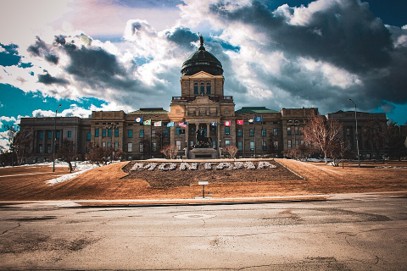
The Montana State Capital Building in Helena.

Recently, Montana issued new rules on work and community engagement requirements for some Medicaid recipients.

Beginning July 1, 2026, Montana introduced new rules affecting some adults who receive health coverage through Medicaid Expansion. These rules are commonly described as “Medicaid work requirements.” That description is understandable, but it is incomplete. A person does not necessarily have to hold a paid job to meet the new requirement. Montana officially calls it a “community engagement requirement” because employment, education, workforce training, community service, and nonprofit volunteer work may all count.

It is equally important to understand that the new requirement does not apply to every person receiving Medicaid. It primarily applies to adults between the ages of 19 and 64 who receive coverage through Montana’s Medicaid Expansion program and who do not qualify for an exclusion. Children, older adults, many people with disabilities, and people covered through other Medicaid eligibility categories are not necessarily subject to the requirement.

There has been particular confusion concerning Montana Medicaid for Workers with Disabilities, commonly called MWD, which is a separate Medicaid program that allows eligible people with disabilities to work while retaining Medicaid coverage, subject to the program’s existing employment, income, and other eligibility rules. According to the Montana Department of Public Health and Human Services, people already enrolled in MWD are not subject to the new Medicaid Expansion community-engagement requirement. The rules they already follow concerning employment and income remain in place. In other words, MWD participants should continue complying with the requirements of the MWD program, but they do not have to satisfy this new 80-hour community-engagement requirement merely because it took effect in July 2026.

For Medicaid Expansion participants who are subject to the new rule, the basic requirement is 80 hours of approved activities during a month. Eighty hours is approximately 20 hours per week, although the state evaluates the requirement on a monthly basis. A person may meet all 80 hours through one qualifying activity or combine different activities.

Paid employment counts. Community service or volunteer work with a nonprofit organization may also count. Attendance at school can qualify, as can participation in an approved state or federal workforce-training or job-readiness program. A person could, for example, work 60 hours during the month and complete 20 hours of qualifying volunteer service. The combined total would satisfy the 80-hour requirement for that month.

Completing the hours is only part of the process. Medicaid participants may also have to provide proof. Depending on the activity, acceptable documentation might include pay stubs, an official school schedule or transcript, documentation from a workforce program, or a signed record of volunteer hours. Montana may verify some information by matching Medicaid records with information already held by other state programs. When the state cannot verify the information electronically, the participant may need to report it and submit supporting documents.

The timing of the verification depends on whether the person is applying for Medicaid Expansion or renewing existing coverage. A new applicant generally must show that the requirement was met, or that an exclusion applied during the month before the application. At redetermination, an existing participant generally must demonstrate compliance for at least three months during the review period. Those three months do not have to be consecutive.

Existing Medicaid Expansion participants did not all have to report 80 hours immediately on July 1. Instead, the requirement is considered as their individual cases reach a scheduled redetermination. Montana also established a temporary “hold harmless” period from July through September 2026. During that period, the state reviews whether applicants and participants meet the new requirement, but it will not deny or terminate coverage solely because of noncompliance with the community-engagement requirement if the person satisfies the other Medicaid eligibility rules. Beginning in October 2026, however, failure to meet the requirement or establish an applicable exclusion may result in denial of an application or termination of coverage.

Beginning in January 2027, most affected Medicaid Expansion participants will undergo an eligibility redetermination every six months. During redetermination, the state will review whether the person continues to meet income and other Medicaid eligibility requirements and whether the community-engagement requirement or an exclusion has been satisfied. American Indian and Alaska Native participants generally remain subject to a 12-month redetermination schedule.

The exclusions are a crucial part of the new system. A person should not assume that the rule applies simply because that person is between 19 and 64 or has received a notice concerning Medicaid. Some people are completely excluded from the community-engagement requirement because of their status or circumstances. Others may receive an exception for particular months because of a temporary hardship.

People who may qualify for an exclusion include American Indians and Alaska Natives; former foster youth under age 26 who were receiving Medicaid and in foster care when they turned 18; certain incarcerated individuals; pregnant people and those within the 12-month postpartum period; people participating in drug or alcohol treatment; and veterans with a total, or 100 percent, disability rating. A parent, guardian, caretaker relative, or family caregiver responsible for a dependent child under age 14 or for a person with a disability may also qualify for an exclusion. A parent caring for a person with a disability may qualify regardless of the disabled person’s age.

People who satisfy work requirements through Temporary Assistance for Needy Families, or TANF, may also be excluded. Certain people receiving Supplemental Nutrition Assistance Program benefits, commonly called SNAP, may qualify when they are already subject to SNAP work requirements.

Most importantly for the disability community, a person whose physical, mental, intellectual, developmental, behavioral, or other health condition substantially interferes with the ability to work or participate in other approved activities may qualify for a medical exclusion. Montana’s public information refers to this in plain language as having “a medical condition or health needs that impact the ability to work or do other community-engagement activities.” Federal regulations use the more technical term “medically frail.”

A person does not necessarily have to be completely unable to perform any activity to qualify. The relevant question is whether the person has a qualifying condition that significantly impairs the ability to comply with the community-engagement requirement. This may include a physical, intellectual, or developmental disability that significantly affects activities of daily living; a disabling mental disorder; a substance-use disorder; blindness or disability as defined under federal law; or a serious or complex medical condition.

Montana currently accepts provider documentation or a self-declaration to verify medically frail status at both the initial application and redetermination. This is an especially important protection because a person should not lose coverage merely because the state’s records do not automatically identify a disability or serious health condition. People who receive Supplemental Security Income, or SSI, or Social Security Disability Insurance, or SSDI, do not have to satisfy the new community-engagement requirement.

Some circumstances are treated as exceptions or short-term hardships rather than permanent exclusions. These may include receiving inpatient medical services, living in a county covered by an emergency disaster declaration, or having to travel outside the community for treatment of a serious or complex medical condition affecting the participant or a dependent. A person who has recently been incarcerated or who is eligible for Medicare may also be treated as satisfying the requirement for applicable months. Montana has identified high unemployment as a possible exception under federal rules but has stated that it is not presently implementing that exception.

The distinction between a continuing exclusion and a temporary exception matters. A person who qualifies as a specified excluded individual is not subject to the 80-hour requirement while that exclusion applies. A temporary hardship, by contrast, generally counts only for the month or months during which the hardship existed. At redetermination, a person relying on a short-term exception may need to establish that it applied during at least three months of the review period. If it applied for only one or two months, the participant may need to show qualifying activity during additional months.

Medicaid participants should carefully read every notice they receive from DPHHS. They should also keep their mailing address, telephone number, email address, household information, income information, and employment or education status current. A person who believes an exclusion applies should report it and provide the requested form or documentation instead of assuming that the state already has the necessary information.

Changes may be reported through Montana’s online Self Service Portal at apply.mt.gov, by calling the DPHHS Public Assistance Helpline at 1-888-706-1535, by visiting a local Office of Public Assistance, or by mailing the information to the Human and Community Services Division, P.O. Box 202925, Helena, MT 59602-2925.

If DPHHS decides that a person is not eligible or has not complied with the community-engagement requirement, the participant should receive a formal Notice of Adverse Action. Medicaid participants have the right to appeal an adverse eligibility decision through the fair-hearing process. The notice should explain the decision, the deadline for requesting a hearing, and the steps required to appeal. Because appeal deadlines are important, a person who disagrees with a decision should seek assistance promptly.

The most important message is that Montana has not imposed a universal work requirement on every Medicaid beneficiary. The new rule applies mainly to non-excluded adults ages 19 through 64 who receive Medicaid Expansion coverage. Even within that group, paid employment is not the only way to comply, and numerous exclusions and temporary exceptions are available. People with disabilities should pay particular attention to the medical exclusion and should not assume that they must work or volunteer when a health condition prevents them from doing so.

The safest course is to read all Medicaid notices, respond before the stated deadline, keep  copies of submitted documents, record qualifying work or volunteer hours, and formally request any exclusion that applies. Understanding the difference between Medicaid Expansion, MWD, approved community-engagement activities, and exclusions can help people protect their health coverage under this complicated new system.

This article provides general educational information and does not constitute legal advice. Medicaid rules and administrative guidance may change. Current information, reporting forms, and official instructions are available from the Montana DPHHS Medicaid Changes webpage and its Frequently Asked Questions.

About Living Independently for Today & Tomorrow (LIFTT): LIFTT is a Montana 501(c)3 corporation organized as a Center for Independent Living (CIL). With team members based in Billings and Glendive, LIFTT provides people with disabilites and aging indivduals with programs, services, resources and advocacy that help empower them to break down the physical, bureaucratic, and cultural barriers that prevent them from being fully independent participants in their lives and communities throughout 18 counties in southeastern and south-central Montana: Big Horn, Carbon, Carter, Custer, Dawson, Fallon, Garfield, Golden Valley, McCone, Musselshell, Powder River, Prairie, Richland, Rosebud, Stillwater, Treasure, Wibaux, and Yellowstone. For more information, please visit liftt.org

Our Vision: Empowering aging individuals and people with disabilities to LIFTT themselves above the barriers of life.

Our Mission: Living Independently for Today and Tomorrow’s (LIFTT’s) mission as a 501(c)(3) nonprofit Center for Independent Living serving Southeastern Montana is to empower aging individuals and people with disabilities to live independently through education, support, and opportunities.

You can donate to LIFTT by clicking here.

LIFTT Team attends the MT IL Symposium

LIFTT Team attends the MT IL Symposium

50 Years Strong, Still Moving Forward

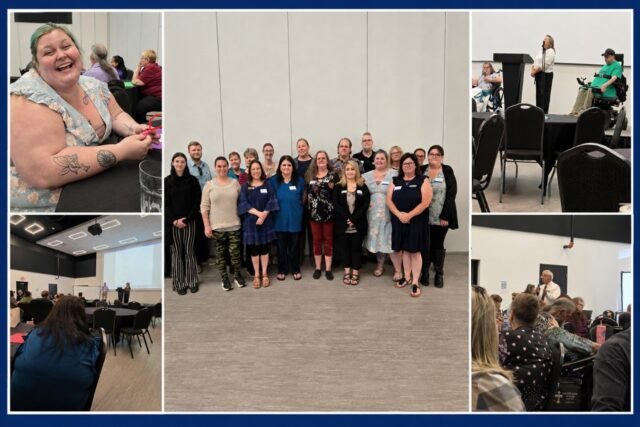
A photo collage from the Montana IL Symposium held in Billings August 18-19 at the center of the collage is a group photo of the LIFTT Team.

The LIFTT team gathered at the 2026 Montana Independent Living Symposium in Billings, surrounded by moments of learning, advocacy, disability leadership, participation, and joy.

For two remarkable days, August 18 and 19, 2026, the entire LIFTT team stepped away from its regular routines and gathered in Billings with advocates from across the state for the 2026 Montana Independent Living Symposium: “50 Years Strong, Empowering Independence, Driving Change.”

This was much more than a professional conference. It was a celebration of a movement, a classroom for the present, and a workshop for imagining the future.

For 50 years, the Independent Living movement has challenged society to understand that disabled people are not problems to be managed, but citizens entitled to direct their own lives, make their own choices, participate fully in their communities, and help shape the policies that affect them. The symposium honored that history while asking an equally important question: What must we do next?

For LIFTT, bringing the entire team to the symposium was an investment in that future.

Learning Together Strengthens Our Work

LIFTT’s employees serve consumers in many different ways. Some provide Independent Living services, employment support, transportation, personal-care assistance, advocacy, outreach, data management, administration, and other essential programs. Although our responsibilities may differ, we share one mission: empowering aging and disabled people to live independently through education, support, and opportunity.

Attending the symposium together allowed us to listen, learn, exchange ideas, and see how every part of our organization contributes to that mission. Professional development is not time away from LIFTT’s work: it is part of the work. When the entire team learns together, we return with a stronger shared language, a broader understanding of disability rights, and a renewed commitment to the people and communities we serve.

The symposium opened with a celebration of five decades of Independent Living in Montana. Participants reflected on the courage, persistence, and advocacy that built the movement while also considering the challenges and possibilities ahead.

From History to Action

Throughout the two-day gathering, LIFTT team members participated in presentations, panels, task forces, and breakout conversations covering many of the issues at the heart of Independent Living.

Sessions examined the future of Independent Living over the next five years, legislative advocacy, youth transition, grassroots organizing, coalition building, and the power of telling our stories. A keynote presentation by Jessica Podesva, Director of Advocacy and Public Policy for the National Council on Independent Living, connected local community experiences with the larger national movement for disability rights and equality.

The symposium also created opportunities for focused work through task forces addressing: (a) Community living; (b) Native American engagement; (c) Accessible transportation; (d) Self-advocacy; and (e) Youth employment and transition.

These are not abstract subjects for LIFTT. They are part of the realities our consumers encounter every day.

Accessible transportation can determine whether someone reaches work, a medical appointment, a grocery store, or a community event. Youth transition services can influence whether a young person enters adulthood with choices and support. Self-advocacy can transform a person’s relationship with schools, employers, healthcare providers, public agencies, and the wider community. Coalition building can turn one person’s concern into lasting systems change.

The symposium reminded us that Independent Living is both deeply personal and unmistakably public. It begins with individual choice, but it also requires accessible communities, responsive institutions, informed public policy, and the removal of barriers that prevent full participation.

Disability Leadership at the Center

One of the symposium’s most meaningful qualities was the visibility of disabled people as leaders, presenters, advocates, professionals, and experts in their own lives.

Independent Living has always insisted upon a simple but revolutionary principle: decisions affecting disabled people must not be made without disabled people at the table. The movement is grounded in consumer control, dignity of risk, self-determination, peer support, and the conviction that lived experience is a vital form of knowledge.

The presentations and conversations in Billings brought those principles to life. They also challenged all of us to continue examining our own work: Are we listening carefully enough? Are consumers directing their own goals? Are our programs truly accessible? Are we building opportunities, or unintentionally creating new barriers? Are we telling our stories in ways that change public understanding and public policy?

These are questions LIFTT must continue asking, not only during a symposium, but every day.

A Team Renewed

The photographs capture something the formal agenda cannot fully express: colleagues learning together, people sharing their experiences, advocates leading conversations, and a great deal of laughter along the way.

There was joy in the room, and that matters.

Movements are sustained not only by policies, meetings, and strategic plans, but also by relationships. They grow when people recognize one another, exchange stories, discover common purpose, and remember that difficult work can also be hopeful work.

The symposium gave LIFTT’s team time to strengthen those relationships and recognize how much we accomplish together. It reminded us that no single employee, program, or office carries LIFTT’s mission alone. Each person contributes something necessary to the whole.

Carrying the Experience Forward

The value of the symposium will ultimately be measured by what happens after we return to our offices and communities.

LIFTT’s team returns from the 2026 Independent Living Symposium with new knowledge, stronger connections, important questions, and renewed energy. We will carry these lessons into our work with consumers, our community partnerships, our advocacy, our transportation initiatives, our employment and transition services, and every conversation about accessibility and inclusion.

Fifty years of Independent Living in Montana is an extraordinary achievement—but it is not a conclusion. It is a foundation.

The barriers have not disappeared. The work continues. And LIFTT is proud to be part of a movement that remains courageous enough to imagine more, organized enough to demand change, and hopeful enough to build communities in which everyone belongs.

For more information on how to be part of this exciting adventure, please visit www.liftt.org or call one of our offices at (406) 259-5181 in Billings or (406) 948-8500 in Glendive.


About Living Independently for Today & Tomorrow (LIFTT): LIFTT is a Montana 501(c)3 corporation organized as a Center for Independent Living (CIL). With team members based in Billings and Glendive, LIFTT provides people with disabilites and aging indivduals with programs, services, resources and advocacy that help empower them to break down the physical, bureaucratic, and cultural barriers that prevent them from being fully independent participants in their lives and communities throughout 18 counties in southeastern and south-central Montana: Big Horn, Carbon, Carter, Custer, Dawson, Fallon, Garfield, Golden Valley, McCone, Musselshell, Powder River, Prairie, Richland, Rosebud, Stillwater, Treasure, Wibaux, and Yellowstone. For more information, please visit liftt.org

Our Vision: Empowering aging individuals and people with disabilities to LIFTT themselves above the barriers of life.

Our Mission: Living Independently for Today and Tomorrow’s (LIFTT’s) mission as a 501(c)(3) nonprofit Center for Independent Living serving Southeastern Montana is to empower aging individuals and people with disabilities to live independently through education, support, and opportunities.

You can donate to LIFTT by clicking here.

Living Well, Learning Together, and Preparing for What Comes Next

Living Well, Learning Together, and Preparing for What Comes Next

A group of people in an office setting sitting around a table one is a wheelchair user

Living Well in the Community brings people together to exchange ideas, develop skills, and support one another’s journey toward greater independence. Stock photo by Kampus Production via Pexels.


What does independent living look like in everyday life?

Sometimes it looks like learning a new skill. Sometimes it starts with a conversation, a shared challenge, or realizing others have faced similar barriers. It can also mean developing the confidence to make decisions, advocate for yourself, improve your health, and participate more fully in your community.

These ideas were at the heart of LIFTT’s work with the Montana Disability and Health Program during the program year that ran from August 1, 2025, through July 31, 2026.

Living Well in the Community

One of the year’s central activities was Living Well in the Community, commonly known as LWC. This peer-led program helps people with disabilities explore practical ways to strengthen their health, independence, self-advocacy, problem-solving abilities, and connection with the community.

LIFTT’s trained LWC facilitators, Pam Ramirez, IL Program Manager, Tanya Thomas, Peer Program Coordinator, and Rachial Combs, former IL Specialist, did much more than present information. They created opportunities for participants to learn from one another, identify personal goals, exchange ideas, and recognize their own strengths.

The facilitators also participated in the LWC Rendezvous and bi-monthly facilitator calls. These gatherings connected them with facilitators from other communities, allowing them to share successes, discuss challenges, discover new activities, and learn strategies for engaging people with different experiences, needs, and learning styles.
In other words, the facilitators were learning while they were helping others learn—and everyone benefited from that exchange.

A Small Group with Growing Energy

LIFTT’s fall Living Well workshop began at the Billings office on September 11, 2025, with two participants. As the sessions continued, something encouraging happened: the group grew.

By the third session, four people were participating. All four remained involved through the final session and celebrated their graduation on November 20.

The numbers may appear small, but each one represents a person. Each participant brought personal experiences, questions, challenges, abilities, and goals into the room. Completing the workshop reflected more than attendance; it represented commitment, perseverance, and a willingness to invest in greater independence.

The fall workshop also demonstrated an important lesson: meaningful programs do not always need a large audience to produce a real impact. A small, engaged group can create a supportive environment in which people feel comfortable participating, sharing, and growing together.

When the Second Workshop Did Not Go as Planned

A second Living Well workshop began on May 12, 2026, with three participants. This time, attendance became inconsistent. One participant withdrew early, another missed too many sessions to qualify for a certificate, and the third did not attend the final sessions. Consequently, the workshop did not conclude with graduation.

Although this was disappointing, it was also educational.

Independent Living programs serve people whose lives may be affected by transportation difficulties, health concerns, personal-care needs, housing instability, changing schedules, and many other barriers. Inconsistent attendance does not necessarily mean that participants lacked interest or motivation. It can remind us that making a program available is only the beginning; we must also consider what people need to participate consistently.

The experience will help LIFTT think more carefully about scheduling, communication, transportation, participant follow-up, accessibility, and other forms of support when planning future workshops.

Accessibility Requires More Than Good Intentions

LIFTT also designated Jed Barton as its Accessibility Ambassador. This role supports the important work of identifying physical, communication, and programmatic barriers that may prevent disabled people from participating fully in community life.

The year’s original plans included completing two ADA assessments or accessibility audits. These assessments were not completed because of reduced staffing, competing program responsibilities, additional training needs, and unexpected operational demands.

The delay provides another valuable lesson: accessibility reviews must be supported by trained people, sufficient time, careful documentation, and clear organizational planning. Accessibility is too important to approach casually. A meaningful assessment should do more than identify a doorway, counter, restroom, sign, or pathway that may be difficult to use. It should help an organization understand how its environment and practices affect real people.

LIFTT intends to carry this understanding into its future accessibility work.

Learning from What We Completed, and What We Did Not

The year-end report also records that LIFTT did not complete a planned Linkage Wellness Workshop and did not participate in the Montana Disability and Inclusive Health Summit.

A report should not hide what remains unfinished. Instead, it should help an organization understand where its plans met reality, where barriers emerged, and what must change.

That is one of the most useful purposes of evaluation. It is not simply a checklist of successes and shortcomings. It is a tool for learning.

During this program year, LIFTT saw how an engaged Living Well group can grow and succeed. We also saw how inconsistent attendance can prevent a promising workshop from reaching completion. We strengthened our facilitators’ knowledge through statewide connections, while recognizing that staffing capacity and additional preparation will be necessary to complete future accessibility assessments and wellness activities.

The Work Continues

Independent living is not a destination that someone reaches after attending a single workshop. It is an ongoing process of making choices, building skills, navigating barriers, discovering resources, advocating for change, and participating in community life.

The same is true for organizations.

LIFTT celebrates the four people who completed the fall Living Well workshop and the facilitators who guided and encouraged them. We appreciate every person who participated in either workshop, including those who were unable to complete the program. Their experiences help us understand how our services can become more responsive and accessible.

We also recognize the work that remains before us.

The past year gave LIFTT accomplishments worth celebrating, challenges worth examining, and lessons worth carrying forward. That combination—achievement, honesty, learning, and renewed effort—is how organizations grow.

And it is how we continue building communities in which aging and disabled people have the knowledge, opportunities, support, and freedom to live well and independently.

For more information about LWC, visit liftt.org or call one of our offices at (406) 259-5181 in Billings or (406) 948-8500 in Glendive.

About Living Independently for Today & Tomorrow (LIFTT): LIFTT is a Montana 501(c)3 corporation organized as a Center for Independent Living (CIL). With team members based in Billings and Glendive, LIFTT provides people with disabilites and aging indivduals with programs, services, resources and advocacy that help empower them to break down the physical, bureaucratic, and cultural barriers that prevent them from being fully independent participants in their lives and communities throughout 18 counties in southeastern and south-central Montana: Big Horn, Carbon, Carter, Custer, Dawson, Fallon, Garfield, Golden Valley, McCone, Musselshell, Powder River, Prairie, Richland, Rosebud, Stillwater, Treasure, Wibaux, and Yellowstone. For more information, please visit liftt.org

Our Vision: Empowering aging individuals and people with disabilities to LIFTT themselves above the barriers of life.

Our Mission: Living Independently for Today and Tomorrow’s (LIFTT’s) mission as a 501(c)(3) nonprofit Center for Independent Living serving Southeastern Montana is to empower aging individuals and people with disabilities to live independently through education, support, and opportunities.

You can donate to LIFTT by clicking here.

Seeing Ability Beyond Disability

Text reading Seeing Ability Beyond Disability next to a picture of LIFTT IL specialist Thomas Wilker a white man with receding hairline, wearing glasses and a blonde goatee. Thomas is wearing a black polo shirt with his LIFTT name tag

When people hear the word disability, they often think first about limitations. But disability is simply one part of the human experience. Millions of people live with physical, intellectual, sensory, or invisible disabilities, contributing to their families, workplaces, schools, and communities every day.

Unfortunately, stigma continues to create barriers that are often more challenging than the disability itself. Misunderstandings, stereotypes, and assumptions can lead to exclusion, discrimination, or the belief that someone with a disability is less capable. These attitudes can affect opportunities for employment, education, healthcare, and social connection.

The truth is that disability does not define a person’s worth, intelligence, or potential. Every individual has unique strengths, talents, and perspectives. Many innovations, works of art, scientific discoveries, and acts of leadership have come from people who live with disabilities. Their success reminds us that ability comes in many forms.

When we replace stigma with understanding, we create a community where everyone has the opportunity to thrive. Instead of seeing disability as a weakness, we can recognize it as one of the many ways people experience the world. By embracing differences and focusing on shared humanity, we build stronger, kinder, and more welcoming communities for all.

Here in Eastern Montana, Living Independently for Today and Tomorrow (LIFTT) is helping turn those opportunities into reality. With offices in Glendive and Billings, LIFTT empowers people with disabilities and older adults to live independently by providing information and referrals, advocacy, independent living skills training, peer support, and assistance in accessing housing, transportation, employment, and other community resources. LIFTT serves residents across southeastern Montana while working to remove the physical, social, and attitudinal barriers that stand in the way of full community participation.

Creating a more inclusive community begins with each of us. By challenging stereotypes, using respectful language, and recognizing the strengths and abilities of every individual, we help build a community where everyone belongs. Organizations like LIFTT remind us that independence, dignity, and opportunity should be available to all. When we replace stigma with understanding, we create a stronger, more welcoming Glendive and Eastern Montana for everyone.

Thomas Wilker is an Independent Living Specialist based out of LIFTT’s Glendive Office.


About Living Independently for Today & Tomorrow (LIFTT): LIFTT is a Montana 501(c)3 corporation organized as a Center for Independent Living (CIL). With team members based in Billings and Glendive, LIFTT provides people with disabilites and aging indivduals with programs, services, resources and advocacy that help empower them to break down the physical, bureaucratic, and cultural barriers that prevent them from being fully independent participants in their lives and communities throughout 18 counties in southeastern and south-central Montana: Big Horn, Carbon, Carter, Custer, Dawson, Fallon, Garfield, Golden Valley, McCone, Musselshell, Powder River, Prairie, Richland, Rosebud, Stillwater, Treasure, Wibaux, and Yellowstone. For more information, please visit liftt.org

Our Vision: Empowering aging individuals and people with disabilities to LIFTT themselves above the barriers of life.

Our Mission: Living Independently for Today and Tomorrow’s (LIFTT’s) mission as a 501(c)(3) nonprofit Center for Independent Living serving Southeastern Montana is to empower aging individuals and people with disabilities to live independently through education, support, and opportunities.

You can donate to LIFTT by clicking here.

Free Seed Envelopes at Seed Saving Workshop 9/12

Free Seed Envelopes at Seed Saving Workshop 9/12

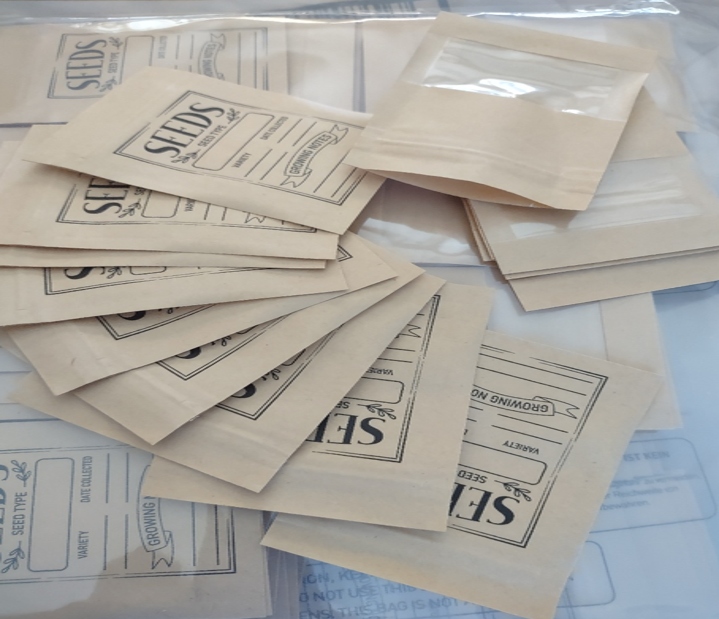
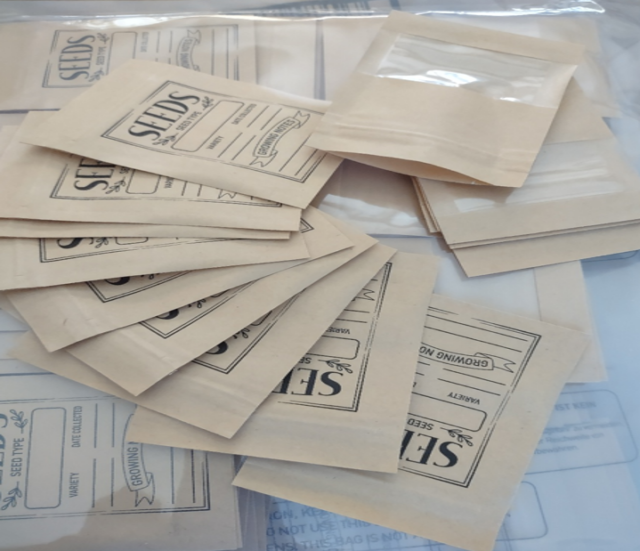
a pile of tan colored resealable seed envelopes

Garrett Mills, Chair of LIFTT’s Board of Directors, will bring several hundred practical, resealable seed envelopes to share with participants at the Community Seed Library’s Seed Saving Workshop on Saturday, September 12, from 10-11:30 a.m. at the Billings Public Library. Photo courtesy of Garett Mills.

Plant a Little Knowledge Today and Grow Something Wonderful Tomorrow

Every seed carries a story. It remembers the plant from which it came, holds the promise of another growing season, and reminds us that even the smallest beginning can produce something extraordinary.

On Saturday, September 12, 2026, from 10:00 a.m. to noon, the Billings Community Seed Library will present Basic Seed Saving in the Community Room of the Billings Public Library, located at 510 North Broadway in Billings.

During this informative presentation, participants will learn how to collect, save, and properly store seeds from heirloom vegetables and native plants. The workshop will explore plant life cycles, the differences between hybrids and heirloom varieties, effective harvesting techniques, and helpful germination methods for the next growing season.

Whether you are an experienced gardener or planting your first vegetables and flowers, seed saving offers a practical, rewarding way to become more self-sufficient, preserve favorite plants, reduce future gardening costs, and share something valuable with neighbors and friends. It is also a wonderful reminder that sustainability often begins with simple actions taken close to home.

LIFTT will be represented at the workshop by Garrett Mills, Chair of LIFTT’s Board of Directors, who plans to attend and bring a special gift for participants. Garrett has obtained several hundred small seed envelopes that he will distribute at no cost while supplies last. The envelopes are practical, resealable, and made with a plastic liner and clear window, making them ideal for organizing, identifying, protecting, and storing seeds for future planting.

Gardening and seed saving reflect many of the values at the heart of Independent Living: knowledge, choice, self-direction, resourcefulness, community participation, and the confidence to create something meaningful. A handful of seeds can become food, flowers, habitat for pollinators, or a gift passed from one gardener to another. It can also become a quiet declaration of hope: there will be another season, and we are preparing for it.

Come learn something new, meet other members of the gardening community, and take home ideas that can continue growing long after the workshop ends. Be sure to find Garrett and pick up some of his seed envelopes before they are gone!

Workshop Information

Basic Seed Saving with the Billings Community Seed Library
Saturday, September 12, 2026
10:00 a.m.–12:00 p.m.
Community Room, Billings Public Library
510 North Broadway, Billings, MT 59101

For the official program description and any updated information, visit the Billings Public Library event page or call the library at (406) 657-8258.

About Living Independently for Today & Tomorrow (LIFTT): LIFTT is a Montana 501(c)3 corporation organized as a Center for Independent Living (CIL). With team members based in Billings and Glendive, LIFTT provides people with disabilites and aging indivduals with programs, services, resources and advocacy that help empower them to break down the physical, bureaucratic, and cultural barriers that prevent them from being fully independent participants in their lives and communities throughout 18 counties in southeastern and south-central Montana: Big Horn, Carbon, Carter, Custer, Dawson, Fallon, Garfield, Golden Valley, McCone, Musselshell, Powder River, Prairie, Richland, Rosebud, Stillwater, Treasure, Wibaux, and Yellowstone. For more information, please visit liftt.org

Our Vision: Empowering aging individuals and people with disabilities to LIFTT themselves above the barriers of life.

Our Mission: Living Independently for Today and Tomorrow’s (LIFTT’s) mission as a 501(c)(3) nonprofit Center for Independent Living serving Southeastern Montana is to empower aging individuals and people with disabilities to live independently through education, support, and opportunities.

You can donate to LIFTT by clicking here.

Boiler Modernization Project on Schedule

Boiler Modernization Project on Schedule

The Boiler Modernization project at the Billings LIFTT office remains on schedule as crews remove the old boiler system and install piping and other components of the new system. Photo collage from photos by LIFTT team members.

The Boiler Modernization Project at LIFTT’s Billings office is moving forward as planned. Crews installed new copper piping throughout the building, and the project remains on schedule.

Visible progress is now evident throughout the facility as crews finish installing piping to support the new boiler system, complete electrical connections, and install the water tank and new boilers. We appreciate the patience and cooperation of staff, consumers, and visitors while this important investment in the building’s long-term safety, efficiency, and reliability continues.

Next Phase Begins Tuesday, September 8

Beginning Tuesday, September 8, 2026, crews will install the new water tank and boilers. The old boiler has been removed, and the old boiler room has been completely remodeled. A Montana-certified asbestos abatement contractor completed the asbestos abatement in the work area without incident. Required containment, access controls, and other safety measures were in place. Until the full project is complete, however, staff, consumers, and visitors should continue to follow all posted signs and remain outside restricted work areas. The work is being managed so the building can continue operating safely during this phase.

Temporary Closure of the ADA-Accessible Restroom

The ADA-accessible restroom will be unavailable while the boiler modernization project is completed. If a consumer or community member needing the accessible restroom has an appointment scheduled during this time, LIFTT team members are to coordinate with their supervisor and:

  1. Offer to meet at another accessible location,
  2. Arrange a phone or virtual appointment, or
  3. Reschedule the on-site meeting until the restroom reopens.

Thank You

Thank you for your flexibility as this project moves into its next phase. These temporary disruptions are helping LIFTT complete a major facility improvement that will serve staff, consumers, and the community for years to come.

Questions or concerns?

Please contact LIFTT’s Billings Office at (406) 259-5181 or send us a message at liftt.org/contact.

About Living Independently for Today & Tomorrow (LIFTT): LIFTT is a Montana 501(c)3 corporation organized as a Center for Independent Living (CIL). With team members based in Billings and Glendive, LIFTT provides people with disabilites and aging indivduals with programs, services, resources and advocacy that help empower them to break down the physical, bureaucratic, and cultural barriers that prevent them from being fully independent participants in their lives and communities throughout 18 counties in southeastern and south-central Montana: Big Horn, Carbon, Carter, Custer, Dawson, Fallon, Garfield, Golden Valley, McCone, Musselshell, Powder River, Prairie, Richland, Rosebud, Stillwater, Treasure, Wibaux, and Yellowstone. For more information, please visit liftt.org

Our Vision: Empowering aging individuals and people with disabilities to LIFTT themselves above the barriers of life.

Our Mission: Living Independently for Today and Tomorrow’s (LIFTT’s) mission as a 501(c)(3) nonprofit Center for Independent Living serving Southeastern Montana is to empower aging individuals and people with disabilities to live independently through education, support, and opportunities.

You can donate to LIFTT by clicking here.